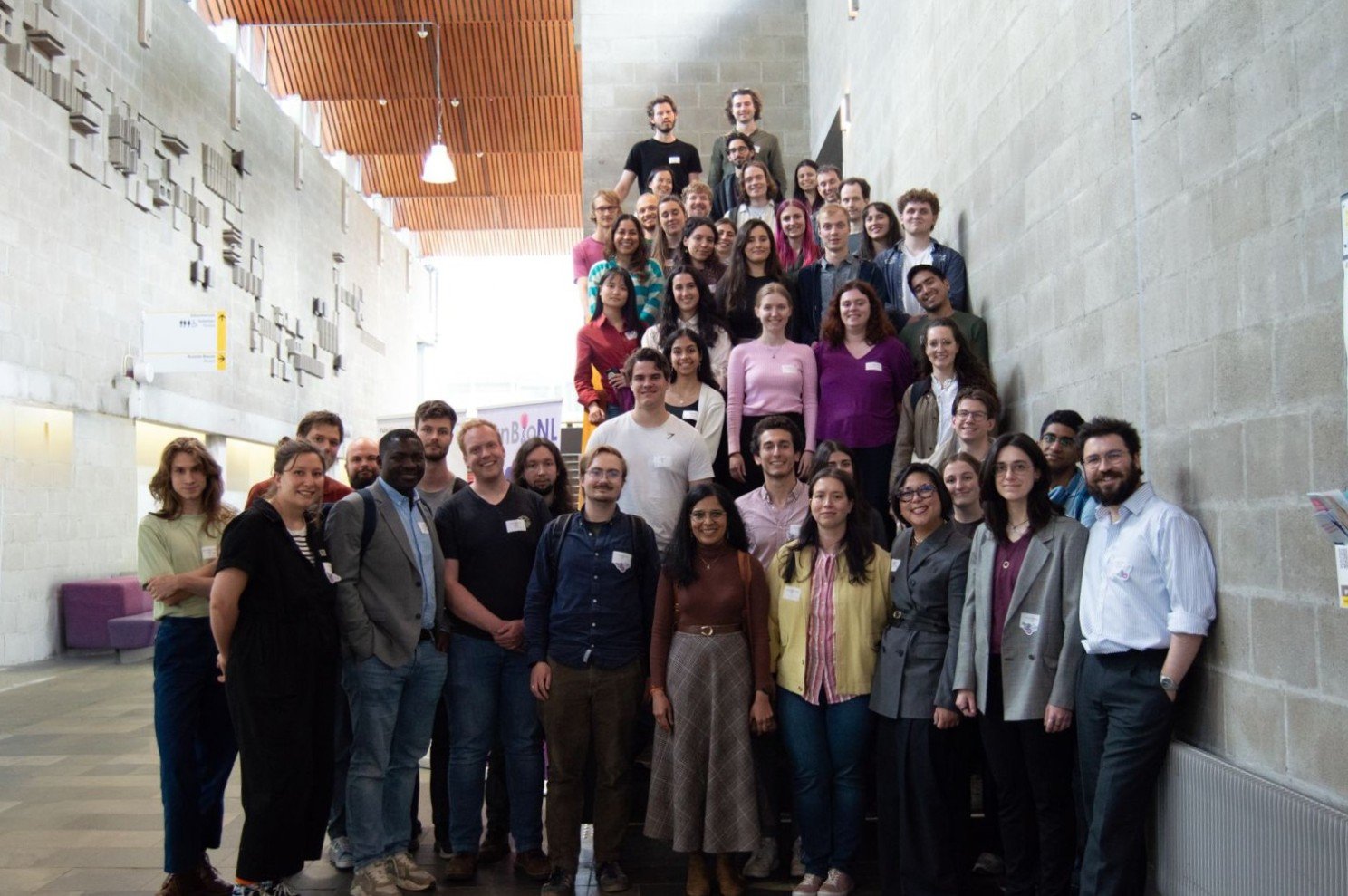
2026 SynBioNL Event: "Breaking Boundaries: Making Synthetic Biology Accessible and Ready for the Real World" Reflections and Perspectives
Written by Alice Di Girolamo
Some of you might wonder; is synthetic biology NOT accessible and ready for the real world? And maybe more importantly, is the world ready for (and interested in) synthetic biology?
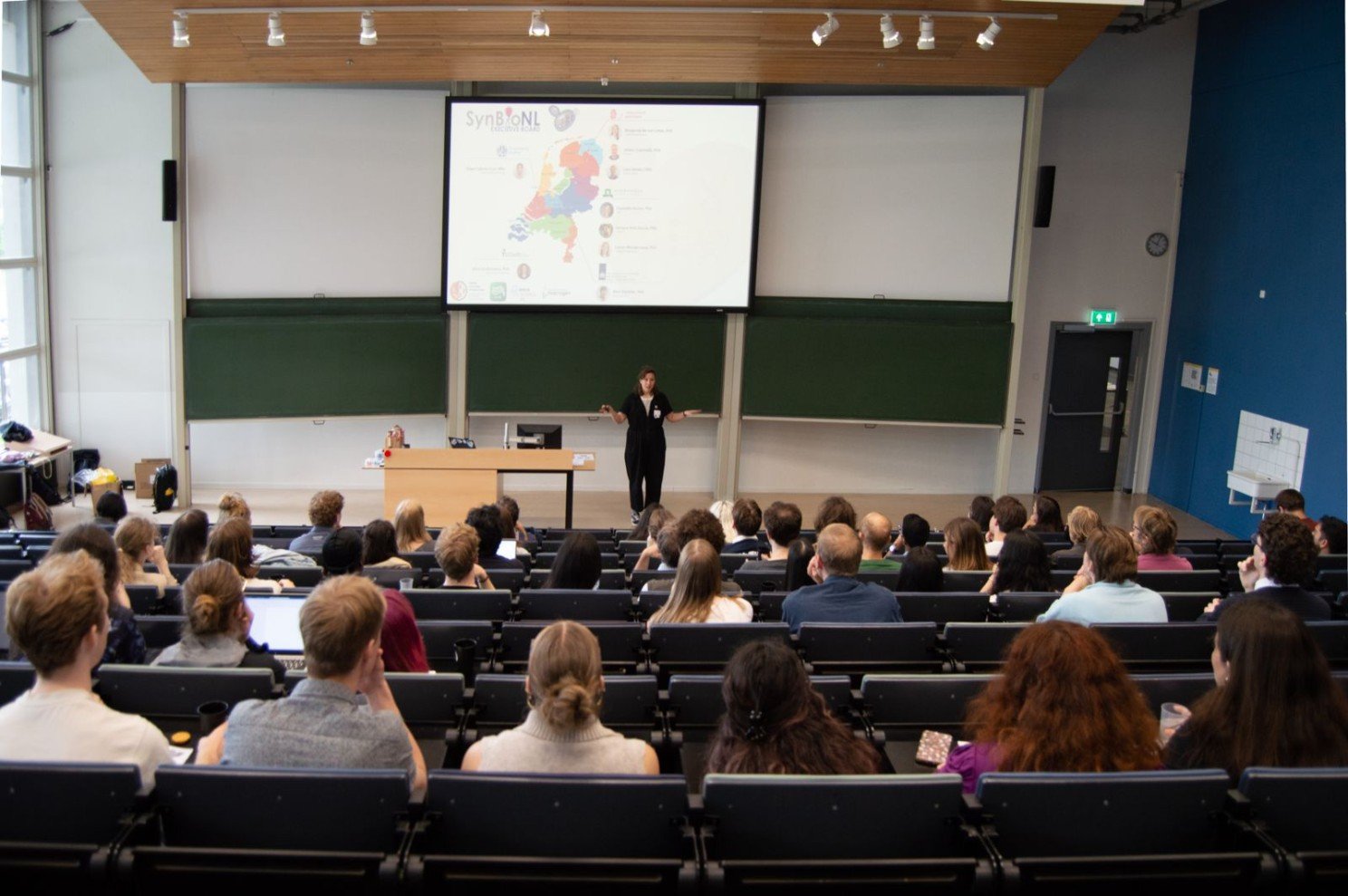
With our event, we wanted to explore what making synthetic biology accessible means in practice: who can use its tools, who benefits from its applications, and who has a say in their development. Supported by Open Science NL, we approached these questions through an Open Science lens, connecting access to knowledge and technologies with transparency, open dialogue, and societal needs. In previous communication, we have challenged the claims and ambitions of early-days biotech, discussing the consequences (perhaps unintentended?) of the sudden emergence of biotech products and their impact on local communities. With our event, we wanted to highlight the ways biotech is evolving, with an eye towards the development and distribution of food-related products obtained with novel genetic technologies (NGTs).
Our first speaker, wen ying wu, is an assistant professor at the University of Groningen, working on the application of CRISPR-Cas technologies for therapeutic applications.
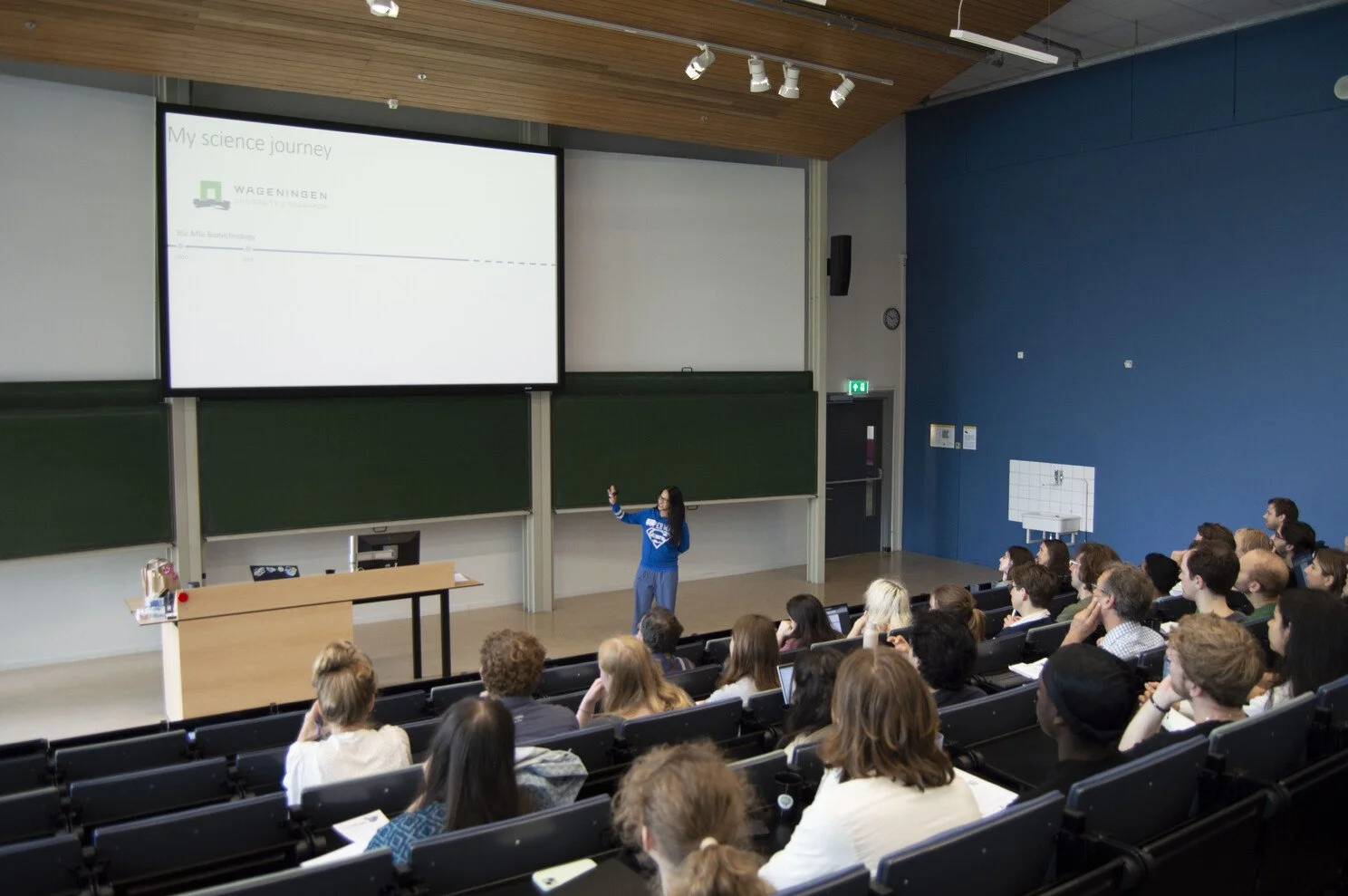
During her talk, she discussed the use of CRISPR technologies in the development of personalized gene therapies. What seemed sci-fi until only a few years ago, is now becoming reality, and a potential option for patients with chronic genetic diseases, such as sickle cell disease, and even cancer. This developing reality is currently led by CASGEVY, the first CRISPR-based therapy approved both by the FDA (USA) and the European Commission. The potential impact of this technology is almost immeasurable. Without going too much into details about the technology and the therapy in itself, two main points, apparently irreconcilable, emerge when reading through the information available.
Under the “Corporate Responsibility” it is stated that the company is committed to reducing healthcare disparities by improving access to healthcare, developing treatments for underserved populations, and maintaining transparent and respectful engagement with patient communities. However, under “Therapies” it is stated that Vertex is the is the only manifacturer and exclusive license holder of CASGEVY.
From an R&D perspective, exclusivity makes sense. Both the development of the protocols and the manufacturing of the personalized cells, which can only be used for one patient, require investments that justifies exclusivity. After all, all therapeutics are put on the market with some form of IP protection. Without exclusivity, everyone could use the protocol and would be able to skip the investment phase and just make the cell lines. Without exclusivity, everyone with the appropriate facilities and the necessary competences could just use the protocol to… cure genetic diseases.
So, what does “equitable access” look like when one company is the “exclusive license holder” of such a transformative technology? Does the investment in R&D truly legitimize not only the license, but also the exclusivity?
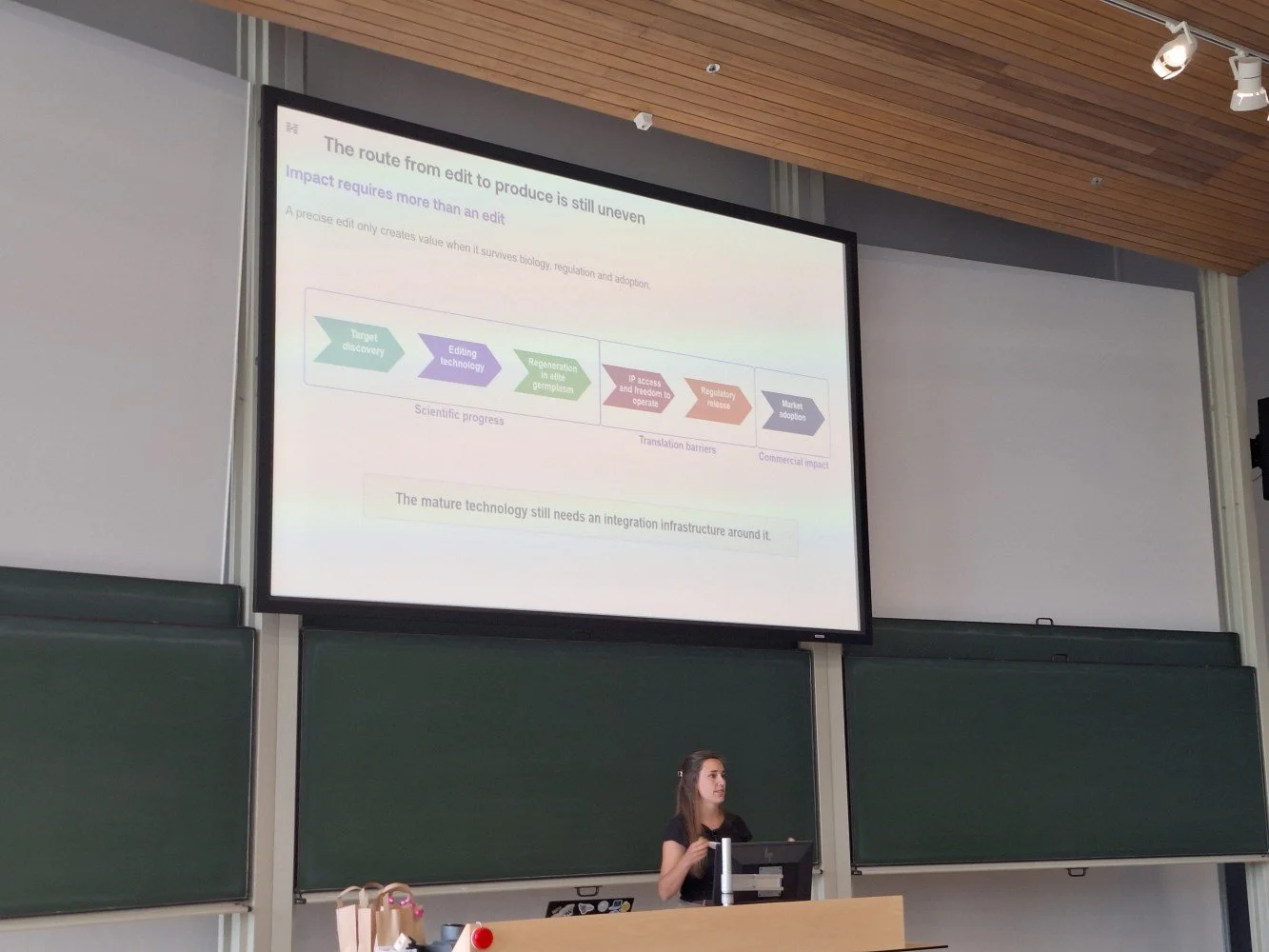
An even more intricate web of intellectual property (IP) and exclusivity was presented by Lena Maas, head of R&D operations at Hudson River. In her talk “From Editing to Impact” she highlighted that the complexities of genome editing in crops are just the tip of the iceberg in a much wider, much harder to navigate, patent-scape.
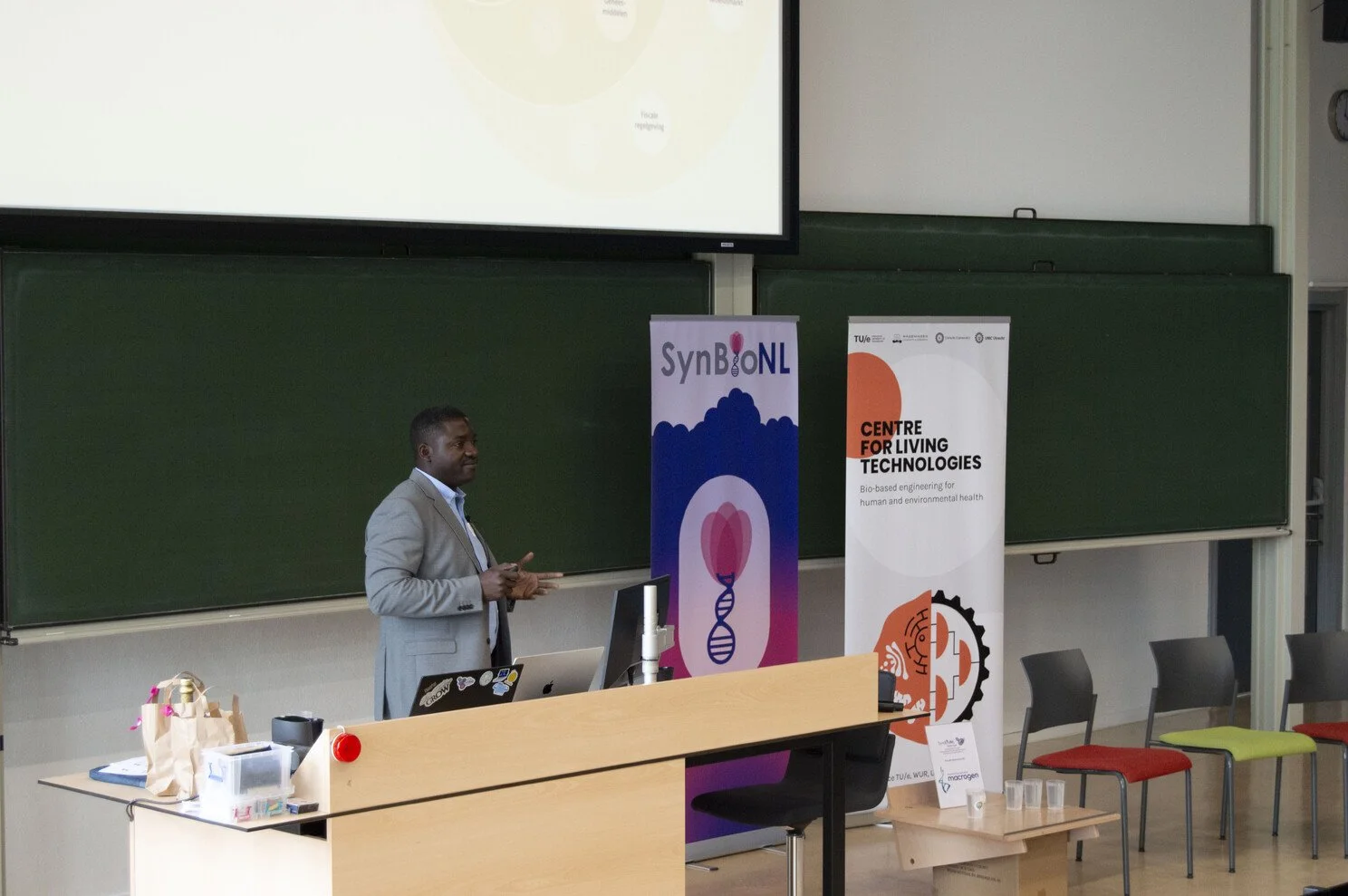
In the last few months, genetically modified crops have been at the center of heated public debate, as the EU Parliament discussed and approved new regulations over labeling of produce derived from genetically modified plants. Our last speaker, Terrens Saaki, policy officer Biotechnology Safety and Environment at the Ministry for Infrastructure and Water Management, gave us a great insight into the legislative process that went into the establishment of the definition and regulation of New Genomic Techniques (NGTs) in the EU.
Two categories of NGT plants are defined:
Category 1: includes plants that contain genetic changes that could also occur naturally or through conventional breeding. These plants, following a verification procedure, are treated in the same way as conventional plants.
Category 2: includes plants containing more complex genetic modifications, which cannot occur naturally or through conventional breeding. These plants remain subject to GMO legislation, require risk assessment, authorisation and GMO labelling before they can be placed on the market.
A lot of the public debate has been centered around the de-regulation aspect, claiming that these new regulations will prevent growers and consumers from knowing whether the products are NGT plants or not. However, in the document it is stated that
“NGT plants and products will only be released or marketed when they are as safe as their conventional counterparts.”
The framework also provides transparency through:
seed labelling for Category 1 plants
GMO labelling for Category 2 plants
public databases of NGT plants
information in variety catalogues
Although it is not disclosed what parameter will be used for this safety assessment, this means that (at least) growers will have the opportunity to choose whether or not they want to buy NGT seeds.
The other side of the coin in this discussion concerns, again, intellectual property (IP). Regulations regarding IP for biotech innovations are described in a separate document (Directive - 98/44 - EN - EUR-Lex). The Directive does not allow patents on specific plant varieties as such, but it does allow patents on inventions involving “plants or seeds if the invention is new, inventive, and industrially applicable, and is not limited to a single plant variety.”
So, how does a new (NGT) plant variety enter the market?
As Lena explains, successfully editing (and regenerating!) a plant in the lab does not automatically translate into a marketable new variety, as the different types of IP constitute three layers of complexity. Indeed, it is not uncommon that different stakeholders hold IP on:
the technology necessary for editing (eg. Cas9) – Tech IP
the desired trait (eg. resistance to mildew) – Trait IP
the plant used as starting point (eg. Heinz tomato) – Plant IP
In order to successfully move from R&D to market, all three layers need to align, meaning that all stakeholders need to reach an agreement over licensing and exclusivity of use. Due to IP constraints, the costs associated with R&D will necessarily have the markup of licensing at least part of the process, as well as the costs necessary to file and maintain IP. Therefore, in order to limit the number of stakeholders, large breeding companies are incentivized to develop the whole pipeline in-house, creating even larger portfolios of trait IPs, hindering the freedom-to-operate of other (smaller) companies. In turn, smaller biotech companies, independent breeders (and growers) will find it harder to stay on the market, or even access it altogether, and the funnel will keep narrowing towards either acquisition or the (inevitable?) valley of death.
While NGT and GMO crops are already a reality on the several markets, cultivated meat can still be considered a “food of the future”, both in terms of regulation, and in terms of technology development.
In his talk “Synthetic Biology for Synthetic Meat” Joshua Flack, assistant professor at TU Delft, gave an outlook of his research on cellular agriculture.
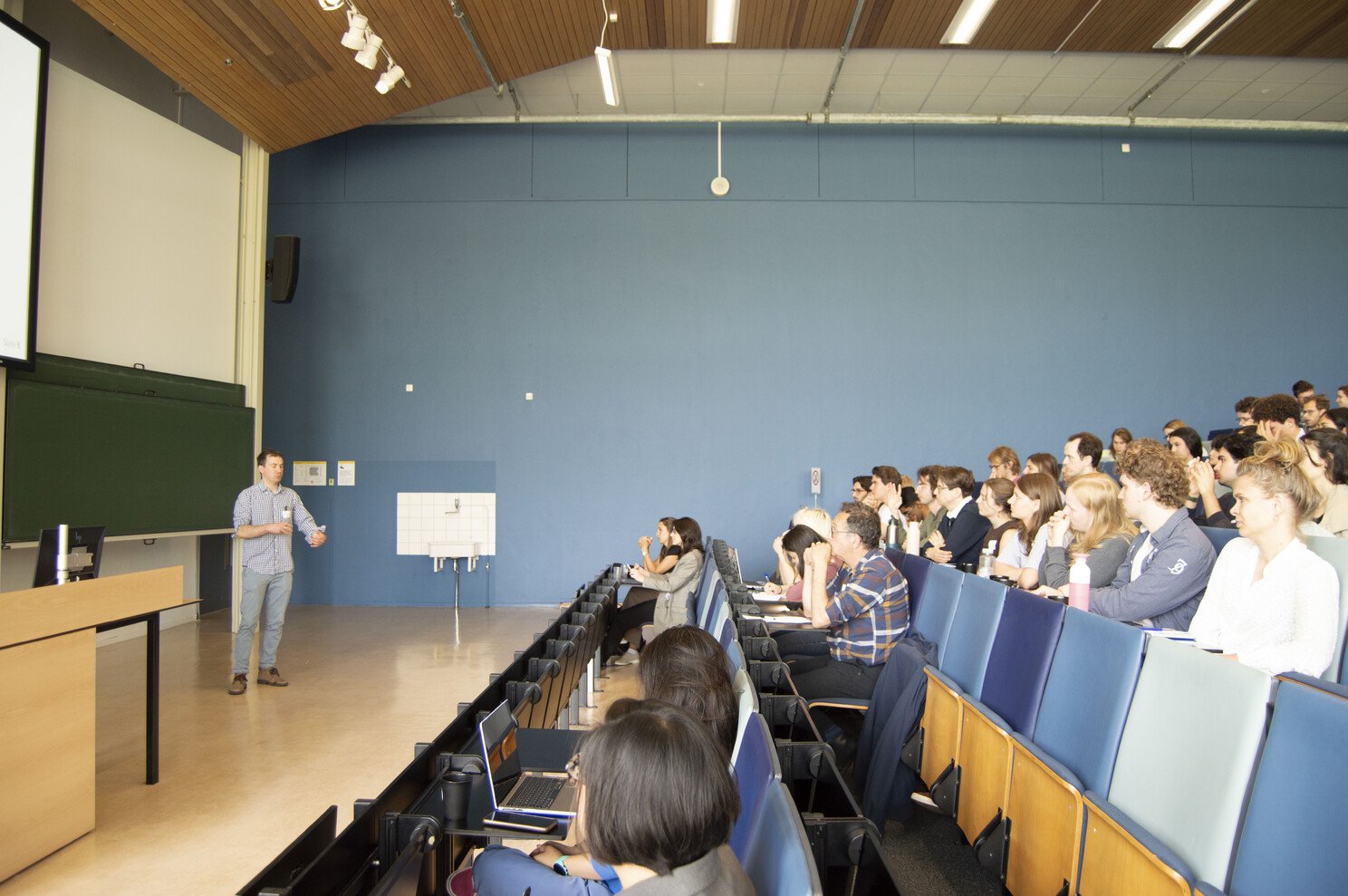
The animal farming industry is one of the most problematic, in terms of environmental impact and animal welfare, as well as public health. At the moment, despite the growing number of “meat replacement” products appearing (and disappearing) on supermarkets’ shelves, real meat can only be obtained through slaughtering animals. Several companies have demonstrated the potential of cellular agriculture to provide a real alternative to animal farming, but the challenges are still enormous, and a scalable process is still the main bottleneck for industrial production of cultivated (or “synthetic”, as Josh provocatively chose for his title) meat. Josh highlights that the application of synthetic biology in cellular agriculture might be the key to overcoming this bottleneck; instead of trying to engineer the process to suit the cells, synthetic biology offers the possibility to engineer the cells to suit the process.
Put side by side, one can propose that the application of synbio in crop engineering fulfills substantially different needs compared to its application in cellular agriculture. While crop engineering largely tackles the same challenges, and shares the same aims, as traditional breeding, the application of synbio in cellular agriculture is embedded in the objective to establish a transformative alternative to traditional animal farming.
Zooming out of the scientific aspects of the many faces of synbio, Dr. Mariana Hase Ueta, researcher at Wageningen University and Research, invites us to reflect on the societal aspects of introducing novel foods in the market. With the question “what is food?” she engages with a fundamental dilemma: would people accept as food something like “synthetic meat” or would the majority reject it?
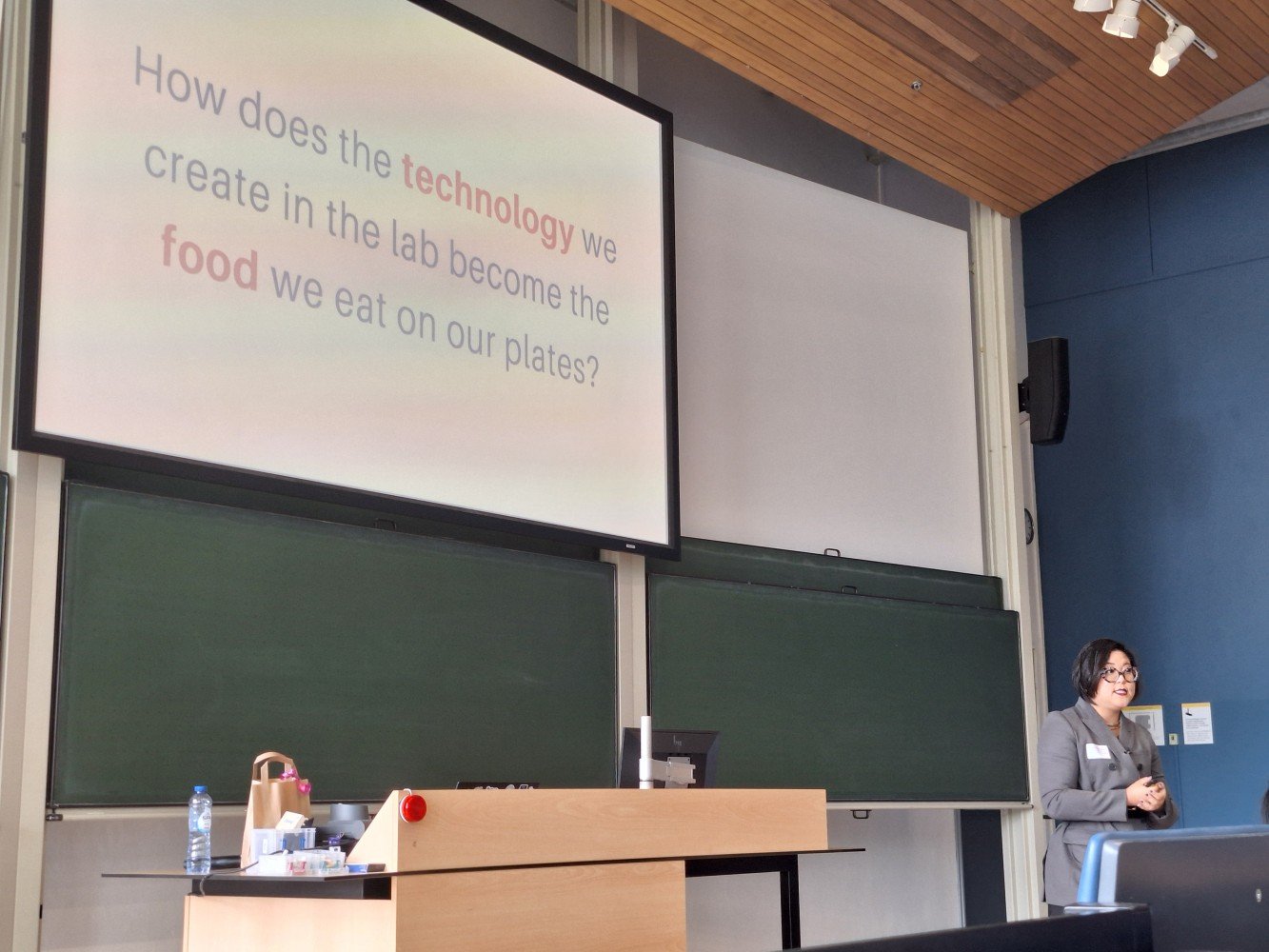
The definition of food goes beyond what is edible and nutritious. It is not enough to present a product as “safe to eat”; cultural beliefs and traditions are the pillars over which the perception of what constitutes food is built. Therefore, while developing novel technologies for the production of novel foods, it is essential to maintain a dialogue with the “keepers” of the “old” technologies (eg. the farmers), and to contextualize concerns and opportunities in restructuring the food chains. For Mariana, it is not just about pursuing what is technically possible; it is (or should be!) primarily about what is desirable in the larger context of society.
Going back to the origins of synbio applications, Christos Batianis, freelance consultant and visiting researcher at Wageningen University and Research, brings us a reflection on “The Market Logic of Industrial Biotech”.
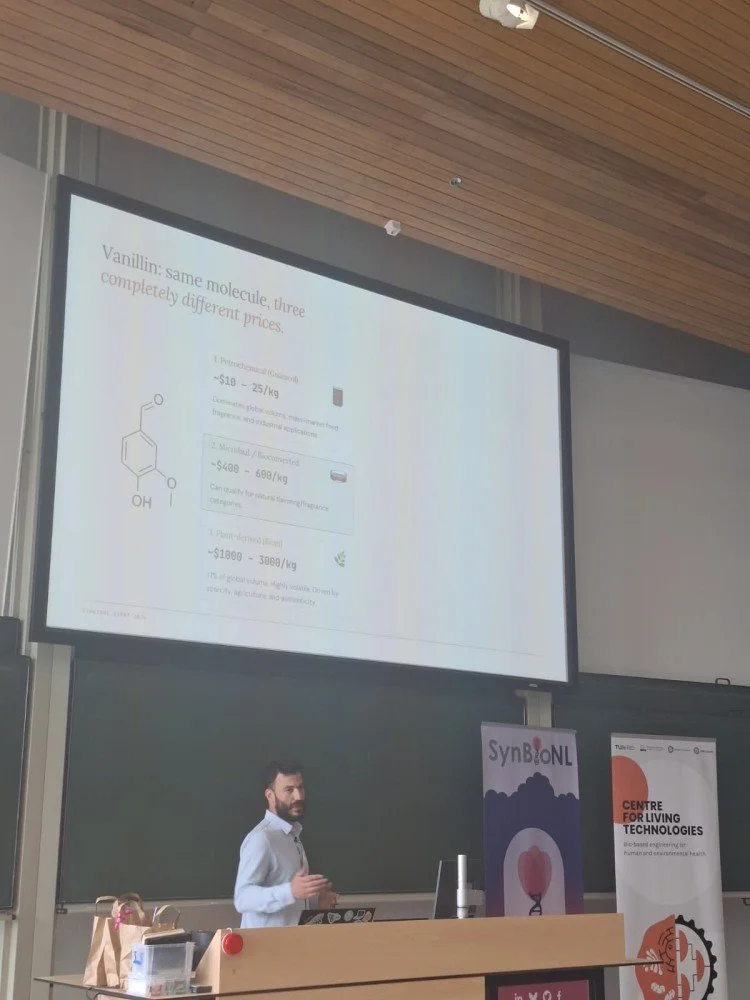
Industrial microbiology was the first industry to benefit from synthetic biology. Insulin was the first “biotech” compound produced using recombinant DNA, and was first approved by the FDA in 1982. This first success inspired a wave of optimism, as synthetic biology seemed to promise a tangible solution for the production of an infinite amount of hard-to-come-by products.
In the early 2000s, with the sequencing of the human genome and the growing availability of methods to synthesize DNA molecules, a plethora of new biotech companies emerged. But, after the initial investment “high”, and despite the solid scientific base, a lot of companies started to struggle.
One of the first objectives, for many companies, was to compete with the petrochemical industry, pursuing the dream of replacing fossil fuels. The blind spot of this vision was that, in order to overtake the petrol-derived bulk products on the market, biotech products needed to be price competitive. Soon enough, companies realized that the costs of production were too high and, with the exception of bioethanol, the production of biotech bulk products was not going to be profitable.
While this might seem a grim view for industrial biotech, the opportunities for impact are far from exhausted. Christos tells us:
“Biology wins where chemistry fails”
The biotech jackpot sits with high market-value molecules that are hard to produce through chemical synthesis. In this framework, choosing the right molecule is the key for success. He proposes three strategies:
Find a molecule with high-market value, high-demand and (preferably) low availability
If you are producing a bulk compound, build a good story around it, to justify its higher price tag
Similarly, if you are producing a well-established compound, find a market niche where your compound can be marketed as a “premium” choice
One such strategic choice of molecules was presented by Jules Beekwilder, CSO of Isobionics, a biotech company specializing in flavor and fragrance ingredients.
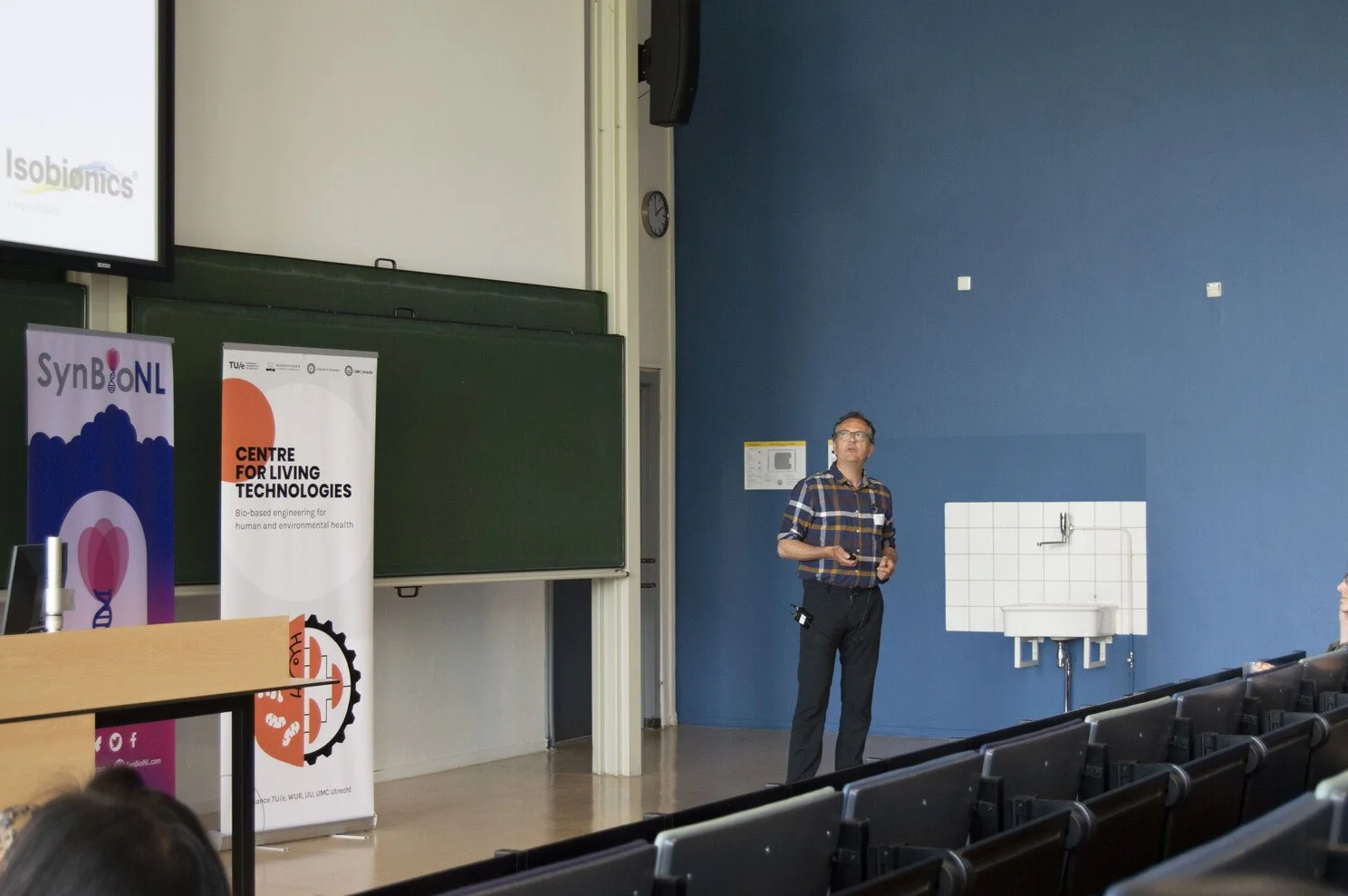
Founded in 2008, its consistent success attracted the attention of BASF, which acquired it in 2019. While maintaining significant autonomy, Isobionics is now “a brand of BASF”.
So, why does Isobionics still exist? What are they doing right?
Here are some key points:
Isobionics sells products, not R&D
Innovation is directed towards addressing customer needs and building customer trust
Products are scaled and marketed early, without waiting for a fully optimized microbial platform
Specialty ingredients means ensuring high and consistent quality
The CEO is a business person, (not a scientist!) prioritizing customer relationships and focusing on earning (not spending!)
R&D is still the core of innovation, so all the scientists are involved in laboratory activities
This acquisition can be looked through two different lenses. On the one hand, for a small company, being acquired by a much larger company means less financial struggles, access to more resources and, possibly, more opportunities, especially if the identity of the company is still acknowledged as an independent brand. A trade-off is inevitable; aligning with the pipelines of a global company means losing autonomy, but it also means safety. On the other hand, the perspectives for small companies seem, again, narrowing down, in the same funnel of acquisition vs. valley of death.
But what does it take for an innovation to become a reality?
Maureen de Haan presented the Biotech Booster program, a program focused on helping innovators turning their ideas into investable and commercially viable propositions, through strategic guidance and financial support.
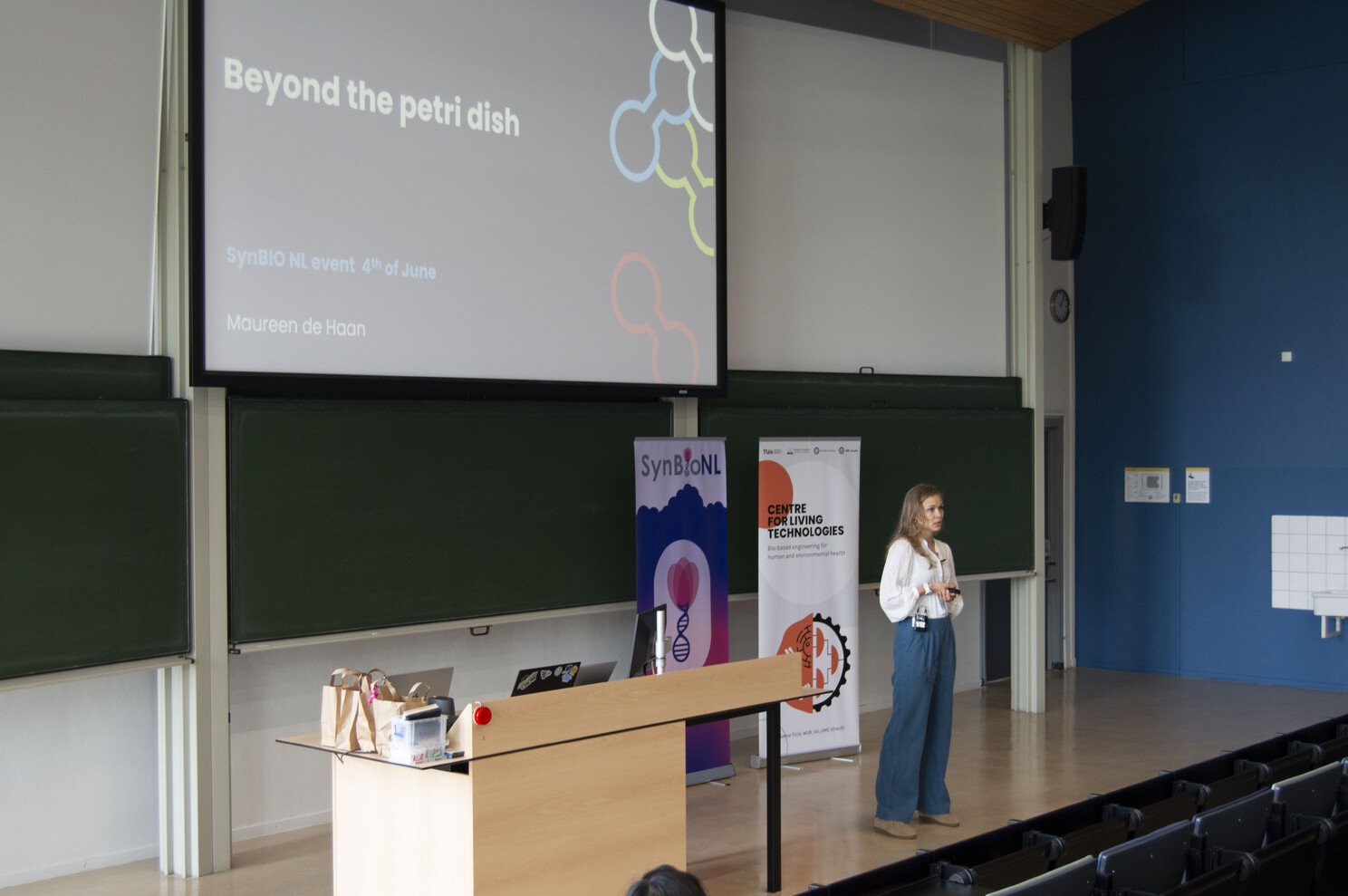
She outlined the criteria for funding and the opportunities offered by the Dutch National Growth Fund. By facilitating collaborations between the public and the private sector, Biotech Booster provides an infrastructure for scientists and founders who want to translate their research into a marketable innovation.
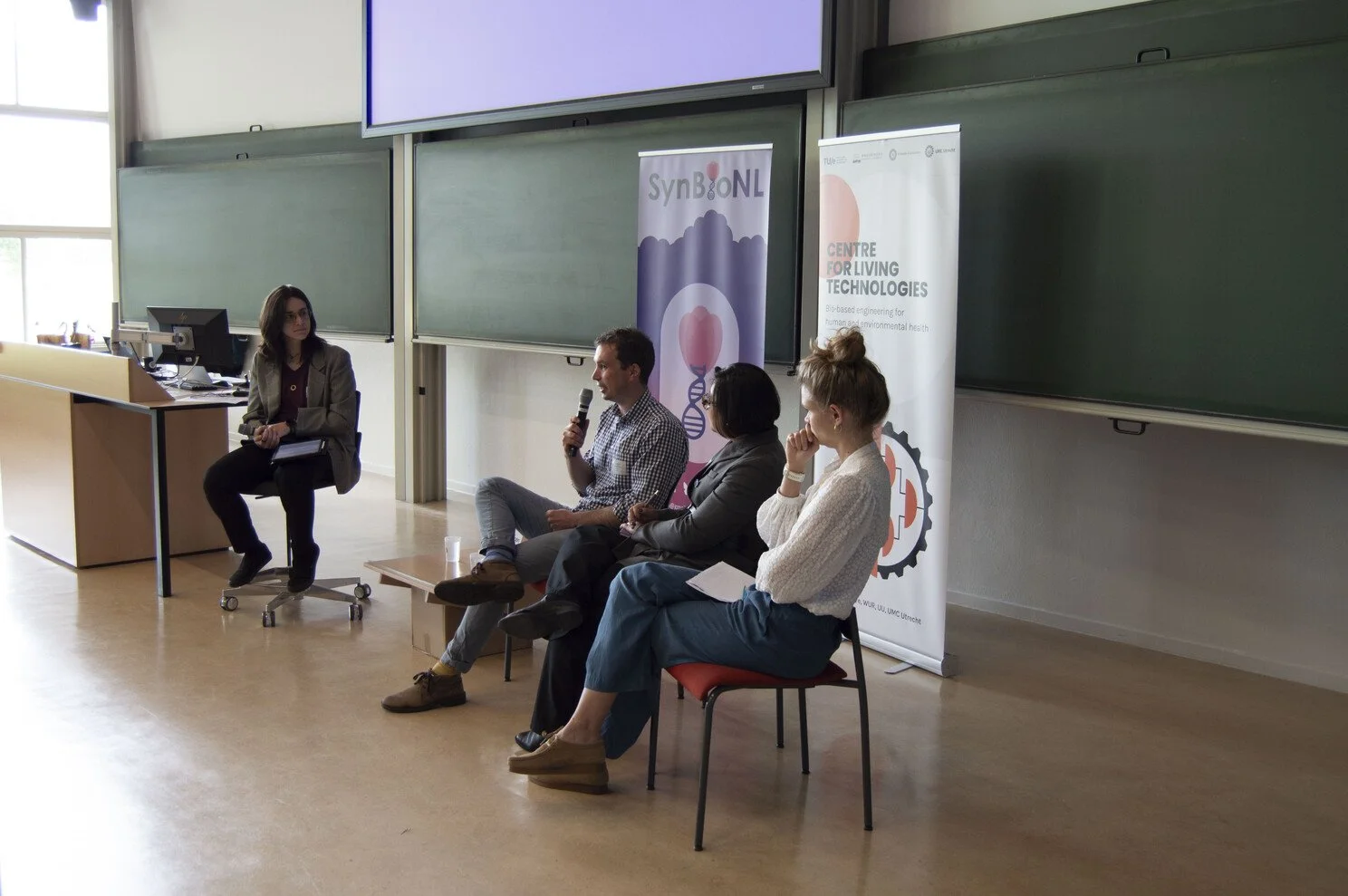
We concluded the event with an interactive panel discussion joined by our speakers Joshua Flack , Dr. Mariana Hase Ueta and Maureen de Haan . The discussion focused on food innovation, diving on challenges and opportunities of novel food technologies.
What emerged from both the discussion and the interactive poll with the audience was that (somewhat unsurprisingly) our community tends to agree on the fundamental role that novel food technologies are playing (and will play) in the re-shaping of future supply chains. Indeed, with the development of novel food technologies, food production is becoming an increasingly complex activity and will inevitably require an adaptation not only of its own infrastructure, but also of other infrastructures, such as education.
Further, what remains to be understood on a broader scale, is how the developed technologies (and products) will impact the markets, both in terms of accessibility (and desirability) for the consumers, but also for the producers. For instance, when talking about cultivated meat, the current biggest bottleneck is the scaling up of the technology. But if we imagine a future where the technology is ready for scaling up, how do we envision its implementation? Will farmers be able to re-invent themselves and switch to cultivated meat production? Will cultivated meat become the new standard and animal-derived meat will be a luxury, or will cultivated meat always stay a high-end restaurant ingredient?
These discussions brought us back to a central Open Science question: how can knowledge be shared, used, and governed so that more people can benefit? The panel and audience poll created space to question assumptions about access, commercialisation, and societal needs. Sharing these reflections extends that conversation beyond the meeting, including to those who could not attend. We thank our speakers for engaging openly with these questions, and invite readers to consider: whose perspectives are still missing, and how can we bring them into future discussions?
Finally, we wish to thank our sponsors Macrogen Inc., Open Science NL (Grant ID number 500.010.2615), VLAG graduate school and EWUU alliance - Centre for Living Technologies for allowing us, once again, to offer our event for free.